football3 empower girls, women and Global Goals in Poland after COVID times
Inequalities and exclusion of girls and women is one of the biggest problems of sport in Poland. The isolation and exclusion of women and girls is confirmed by statistics. In football, the most popular sport in Poland, we have 1,125,159 registered players (of all ages), of which only (2.7% – 40,695) are women. Coaches in this sport are only 3% of all coaches. (Data: Physical culture surveys of the Central Statistical Office in 2017). By doing our work, we want to change it by doing it in smart way. We wanted to empower girls and women by:
- implementing football3 in schools
- organizing football3 certification training for early childhood teachers and sharing best practice via consent;
- organizing public sports events promoting the Global Goal
- running debates about equal access to sport for girls and boys (from an early age).
We believe that by working directly with schools and together with teachers and children, and by using a very innovative method, which is football3, we could increase awareness of the issue of equality in sport and the issues of Global Goals. All the activities presented below were co-financed by the FIFA Foundation and implemented in synergy with the project supported under the Active Citizens Program – National Fund financed by Iceland, Liechtenstein and Norway under the EEA Funds
Action 1: Preparatory workshops for implementation team
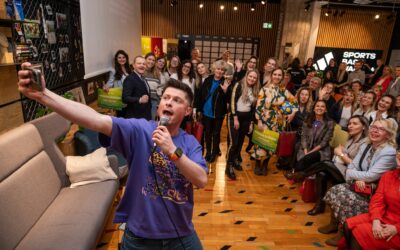
Workshop was organised: 8-10 of April 2022 in Gdańsk. In the workshop 20 leaders (12 femele + 8 male) have developed skills in the planning of football3 programs focusing on gender equality topic
Detail about the workshop: Rozwój football3 w szkole | spotkanie z liderkami i liderami
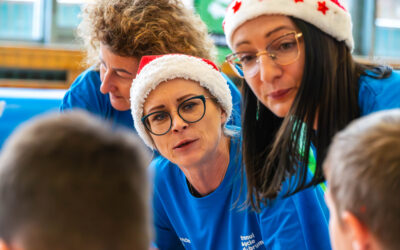
Action 2. Certified football3 mediators trainings for 97 female primary teachers
We were able to organise 9 certified football3 mediator trainings:
- 8th of April for 32 female teachers in Gdańsk;
- 26th of Mai in Gdańsk, for 11 female teachers;
- 6th of June in Gdańsk, for 7 female teachers;
- 12th of October in Mrągowo, for 6 female teachers;
- 12th of October in Mrągowo, for 12 female teachers;
- 28th of October in Nowa Góra, for 6 female teachers;
- 15th of November in Gdańsk, for 6 teachers;
- 8th of November in Maszewo Duże, for 13 female teachers;
- 8th of November in Stare Proboszczewice, 4 female teachers
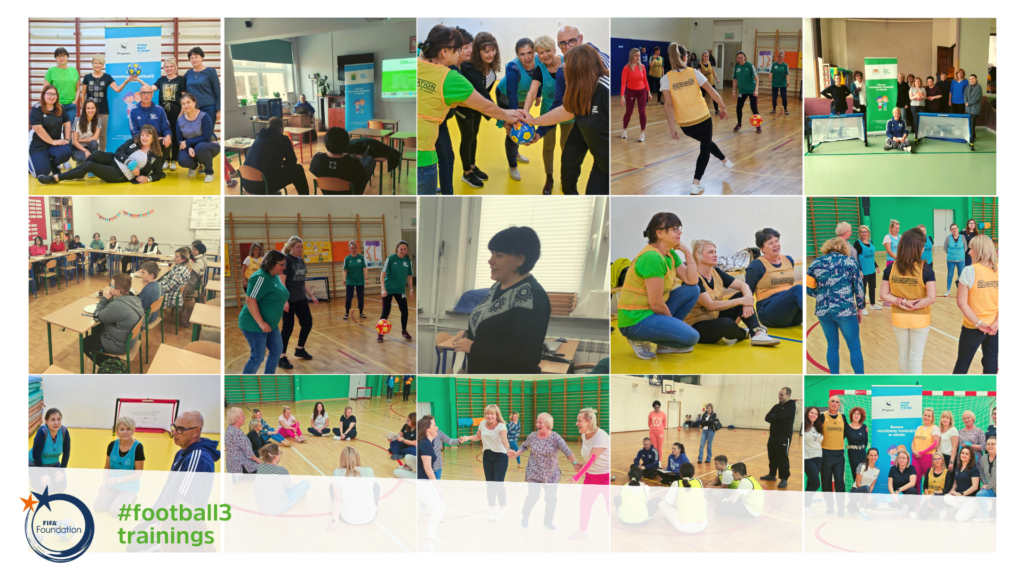
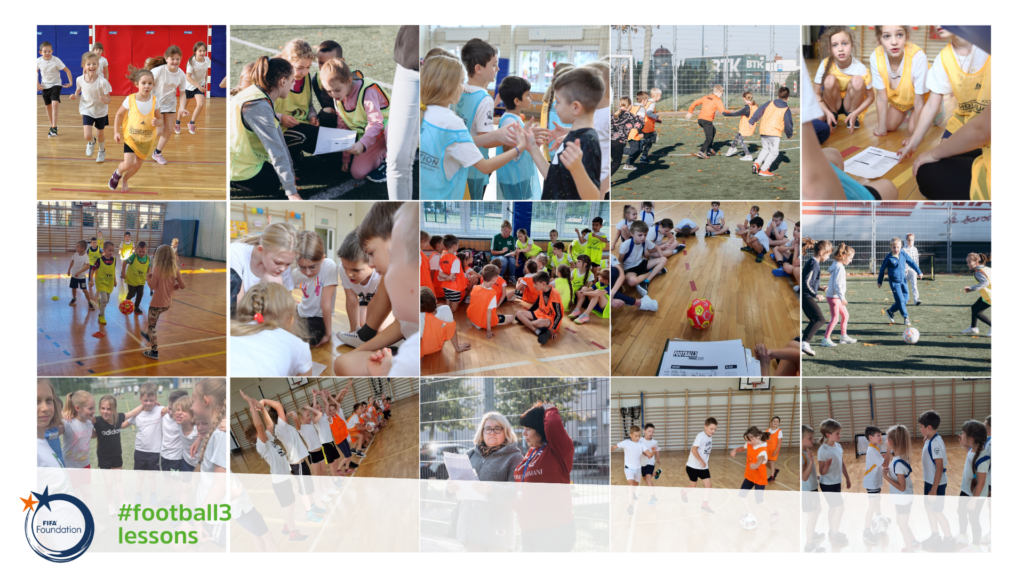
Action 3. football3 lesson implementation at schools
Finally, we organized 224 football3 lessons with 1,519 girls and 1,711 boys (including 248 refugee children from Ukraine)
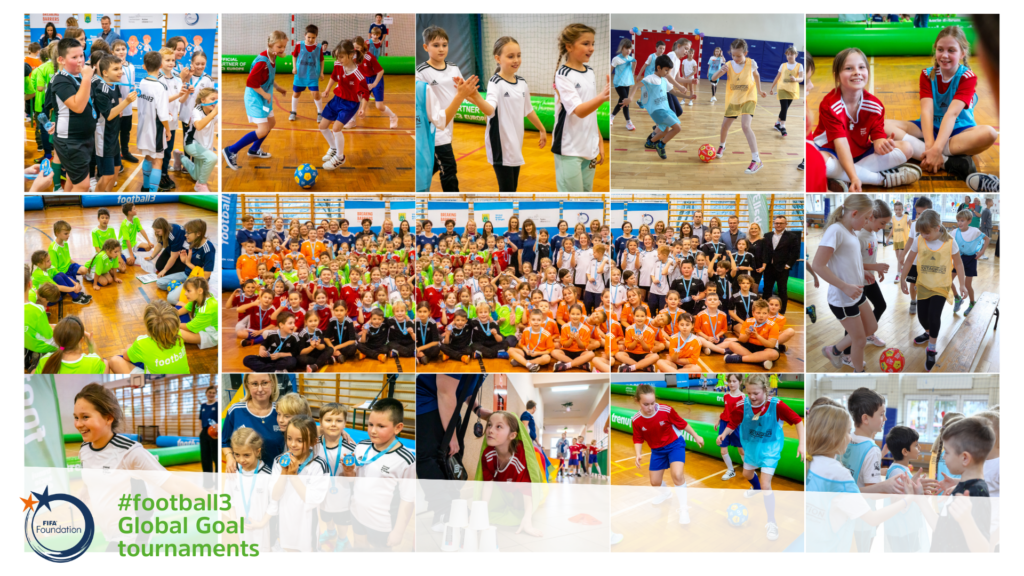
Action 4 a. Highlight event: football3 Global Goals tournament in Gdańsk and Nowa Góra for kids from schools
We organized 2 football3 Global Goals tournaments:
a) 17th of November in Gdańsk, with the participation of 148 kids (76 girls and 72 boys), 23 volunteers (parents and older youth), 6 female teachers.
b) 25th of November in Nowa Góra, with the participation of 23 children from Gdańsk, 36 children from Mrągowo and 31 children from Nowa Góra (45 children are girls). 33 volunteers
Both tournaments were connected to 2 Global Goals: number 5 (Gender Equality) and number 16 (as an act of solidarity with refugees from Ukraine)
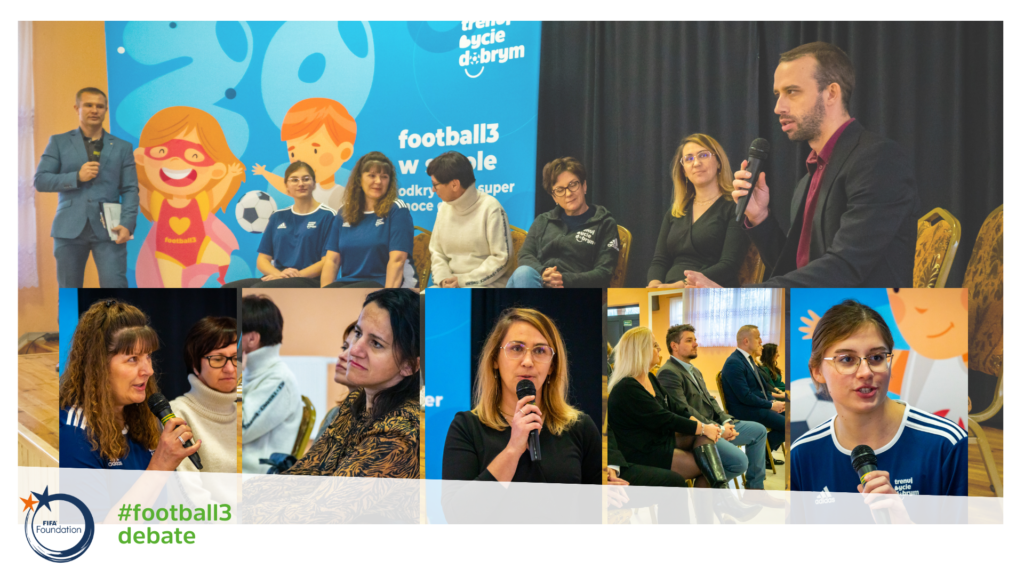
Action 4 b. Public debate
We organized a debate and an evaluation workshop (in Nowa Góra on 25th of November). Title of the debate: „Equal access to sport and physical activity for girls and boys”. The debate&workshop was attended by 30 people. The debate and evaluation workshop was conducted by sportimpakt
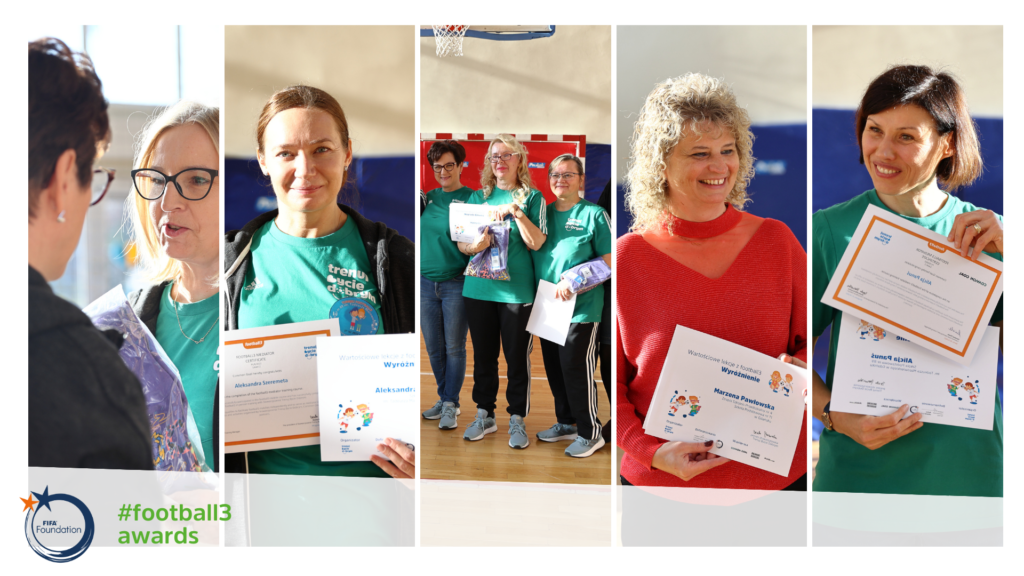
Action 4 c. Awards for the best implemented football3 lessons
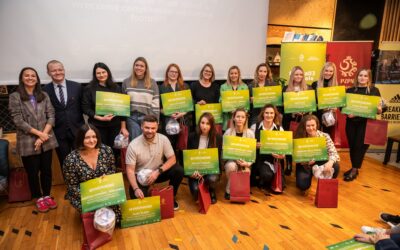
Contest for female teachers for the best implementation of football3 lesson (assuming equal participation of boys and girls). 37 teachers received awards
Action 5: Evaluation made by SportImpakt
- survey research (quantitative research),
- 3 evaluation workshops (qualitative research),
- study visits (qualitative research),
- group / individual interviews with the parent, volunteers, teachers, children (qualitative research).
- the report. Click here to download